

In my recent Blog, I talked about “Why Fiber Stalls and How to Fix it”.
Now, let’s go a level deeper and talk about what it really takes to disrupt the incumbent cable provider.
Replace the familiar tactics of discounting, running promotional, pricing, or trying to lock in guarantees. Replace tired acquisition tactics with a human touch to get resistors to switch. Run a fiber program in partnership with like-minded neighbor advocate campaigns.

How to use peer reassurance from people who look like them, who made the switch…
Identify trusted advocates through your customer database. Find demographics of happy customers, who have installed at least 9-12 months ago and have low to no service calls. Confirm customer satisfaction with a CSAT or NPS score regarding the switch.
- Look to your social networks to help identify key influencers, customers who leave you positive reviews, and customers who you know are happy with your service.
- Approach these customers with bill credits in exchange for becoming “advocates”. Talking points should be honest and could cover themes like- how they were “earlier adopters” and they were nervous to switch.
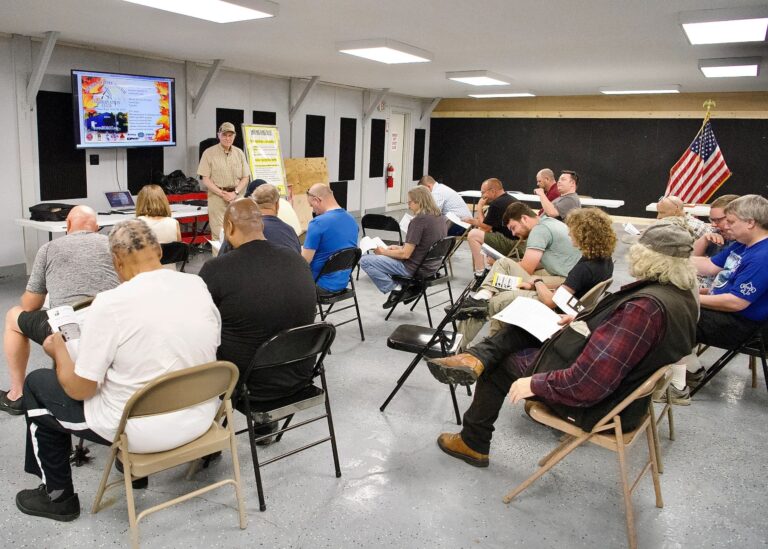
- Create community events, where the “advocates” agree to attend and speak on behalf of your company. And have them invite their friends.
- Provide enticing food, and customer education that addresses the resistors’ concerns, and signups will follow!
If you are interested and need help orchestrating and implementing a successful Trusted Neighbor Activation, Peer Proof Program, schedule an exploratory meeting with me.
The Bottom Line
Instead of using cable’s tired acquisition tactics, the human touch creates social reassurance and relevance. You mobilize trust, not discounts, to convert the cohort that pricing alone hasn’t moved.
Reference
Social Tradia – https://socialtradia.com/blog/brand-ambassador-program/
FAQ Section
FAQs — Turning Resistors into Advocates & Finding Influencers
Q. What do you mean by “advocates” in a fiber marketing context?
A. Advocates (or ambassadors) are customers who were once hesitant to switch but have now adopted fiber and can credibly speak to the experience. For seniors or long-tenured incumbent subscribers, hearing from a real neighbor who was just like them can reduce fear and accelerate decisions.
Q. How can operators identify potential advocates?
A. Look for customers who have converted after a period of resistance and who express satisfaction or relief post-install. Field techs, installers, CSAT/NPS responses, and neighborhood penetration data can help you spot these credible peers — the ones who resisted first and then became believers.
Q. Where do operators find “influencers” or ambassadors in their communities?
A. Influencers here aren’t social stars — they’re trusted local voices (HOA leaders, active neighbors, community volunteers) whose opinions carry weight with seniors and hesitant households. You can identify them through neighborhood activity, community events, installer feedback, or participation in local groups.
Q. How do you activate them without sounding salesy?
A. Start with education sessions (e.g., “Learn why streaming feels easier on fiber”) — not sales pitches. Provide simple demos of common homeowner concerns (like streaming, reliability, or ease of switching) and consider small incentives (bill credits, setup help) tied to educational participation instead of broad discounting.
What incentives are worth offering advocates?
Meaningful but strategic incentives work best: priority support during onboarding, setup assistance for streaming, or community rewards (e.g., local event sponsorships tied to attendance). Avoid blanket gifts or deep introductory pricing that resets long-term price expectations.